

Embracing Quiet Luxury: Women's Shift to Timeless Fashion Amid Economic Challenges

In a holiday season marked by economic uncertainty, many women are reevaluating their approach to fashion. Rather than chasing fleeting trends or splurging on fast-fashion items, there's a growing preference for "quiet luxury"—subtle, high-quality pieces that exude vintage glamour while prioritizing craftsmanship and sustainability.

This mindful shift emphasizes building a versatile, long-lasting wardrobe that transcends seasons, allowing for investments in items that offer enduring value and style. It's a return to elegance rooted in history, where clothing isn't just worn but cherished and passed down.
The allure of long midi and maxi dresses, particularly for holiday occasions, perfectly encapsulates this trend. These silhouettes—midi hitting mid-calf and maxi grazing the ankles or floor—have a rich history that mirrors societal shifts in fashion, economy, and culture. Tracing back to ancient civilizations, long, flowing garments were staples for both men and women, symbolizing status and practicality in daily life. medium.com

In the Victorian era of the 19th century, women's dresses were floor-length affairs, often layered with petticoats and corsets, designed for formal events and embodying the era's emphasis on modesty and opulence. harpersbazaar.com
By the early 20th century, hemlines remained long for evening and holiday wear, though the 1920s introduced shorter day dresses for greater mobility. glamcorner.com.au
The midi dress gained prominence during the 1940s amid World War II fabric rationing, when hemlines were lowered to conserve materials, blending necessity with a conservative, below-the-knee elegance that suited uncertain times. prefontaineshop.com ikrush.com
The maxi, meanwhile, saw a cultural resurgence in the 1960s, popularized by films like *Doctor Zhivago*, which featured romantic, floor-sweeping designs inspired by pre-revolutionary Russian styles. fashionhistorian.net
This bohemian vibe carried into the 1970s, where maxis became symbols of free-spirited expression. Over the decades, these lengths evolved from rigid formalwear to versatile staples, adapting to feminist movements, environmental awareness, and modern lifestyles. Today, midi and maxi holiday dresses represent a fusion of vintage glam and contemporary mindfulness—crafted in breathable, sustainable fabrics for comfort and longevity, ideal for festive gatherings where timeless appeal trumps transient trends. femmeconnection.com.au chicos.com
Fueling this quiet luxury movement is a turn toward small, lesser-known brands that have long championed slow fashion. These labels focus on ethical production and sustainable materials such as 100% breathable cotton, flannel, silk, cashmere, linen, and other natural fibers, ensuring pieces that are not only environmentally responsible but also durable enough to become wardrobe heirlooms. By prioritizing craftsmanship over mass production, they offer women the chance to curate collections that align with personal values, reducing waste and supporting mindful consumption.

If you're shopping this holiday season, consider directing your support to small, independent, Black woman-owned brands that embody these principles.
These designers are at the forefront of redefining fashion with intention, blending cultural heritage, innovation, and sustainability.
Here are four standout examples:
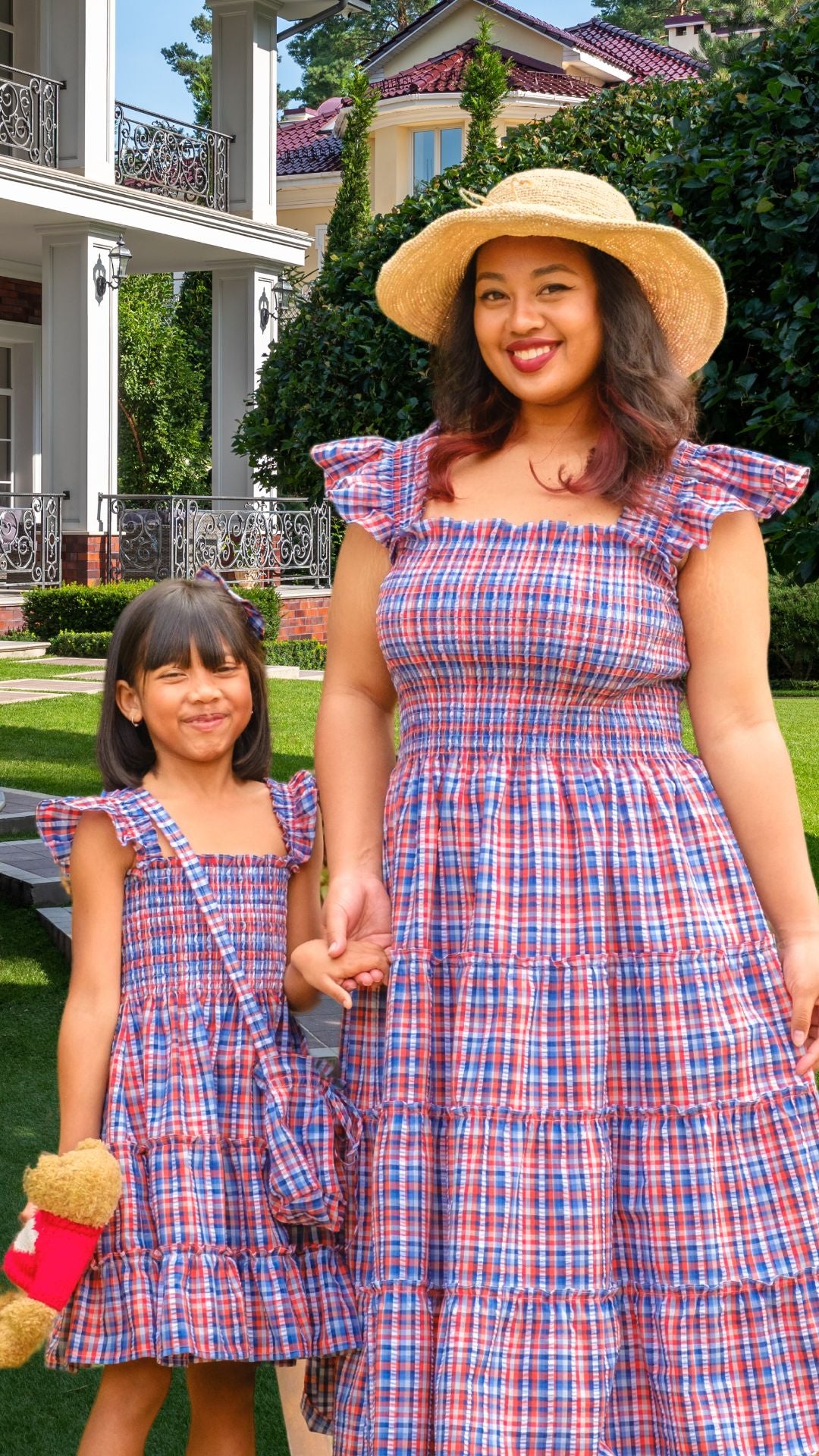
This brand specializes in timeless, elevated casual pieces, including elegant dresses like tiered maxis and plaid midis perfect for holiday vibes. Ethically produced in Africa using the finest 100% natural fabrics, their focus on durability and classic style makes them a quiet luxury staple—garments designed to transcend trends and be passed down with love.
Hope For Flowers by Tracy Reese:
Founded by acclaimed designer Tracy Reese, this line offers feminine, minimal designs in sustainable textiles like organic cotton, linen, Tencel, and cupro. Their dresses emphasize sophistication and versatility, ideal for building a long-lasting wardrobe with a nod to vintage elegance and ethical craftsmanship. EcoCult
Created by supermodel Liya Kebede, Lemlem produces breezy maxi dresses, caftans, and tunics primarily from natural cotton, collaborating with Ethiopian artisans using traditional weaving techniques. This slow fashion approach highlights cultural storytelling and sustainability, offering quiet luxury pieces that feel luxurious yet effortless for holiday occasions. EcoCult
Led by the mother-daughter duo Rebecca Henry and Akua Shabaka, this made-to-order brand draws from African ethos, upcycling vintage fabrics into timeless clothing. Their flowing dresses and separates use natural materials, promoting slow fashion through artisanal methods that celebrate heritage and mindful production. EcoCult
In embracing quiet luxury this holiday season, women aren't just adapting to economic realities—they're reclaiming fashion as a form of empowerment and legacy. By choosing small, Black woman-owned brands like these, shoppers can invest in pieces that honor craftsmanship, sustainability, and diversity, creating a more equitable and thoughtful industry. This isn't about sacrifice; it's about abundance in quality, history, and impact.